Mompox: Colombia's Forgotten River TownMompox: el pueblo fluvial olvidado de Colombia
A UNESCO colonial town that the river, and then the world, left behind. Its history, the filigree gold trade, Semana Santa, and how to actually get there from Cartagena.
Mike Chartrand
May 2026 · 10 min read
Specific question while you read? Ask Catalina, the Cartagena Guide concierge.¿Pregunta específica mientras lees? Pregúntale a Catalina, la concierge de Cartagena Guide.Chat with Catalina ›Habla con Catalina ›
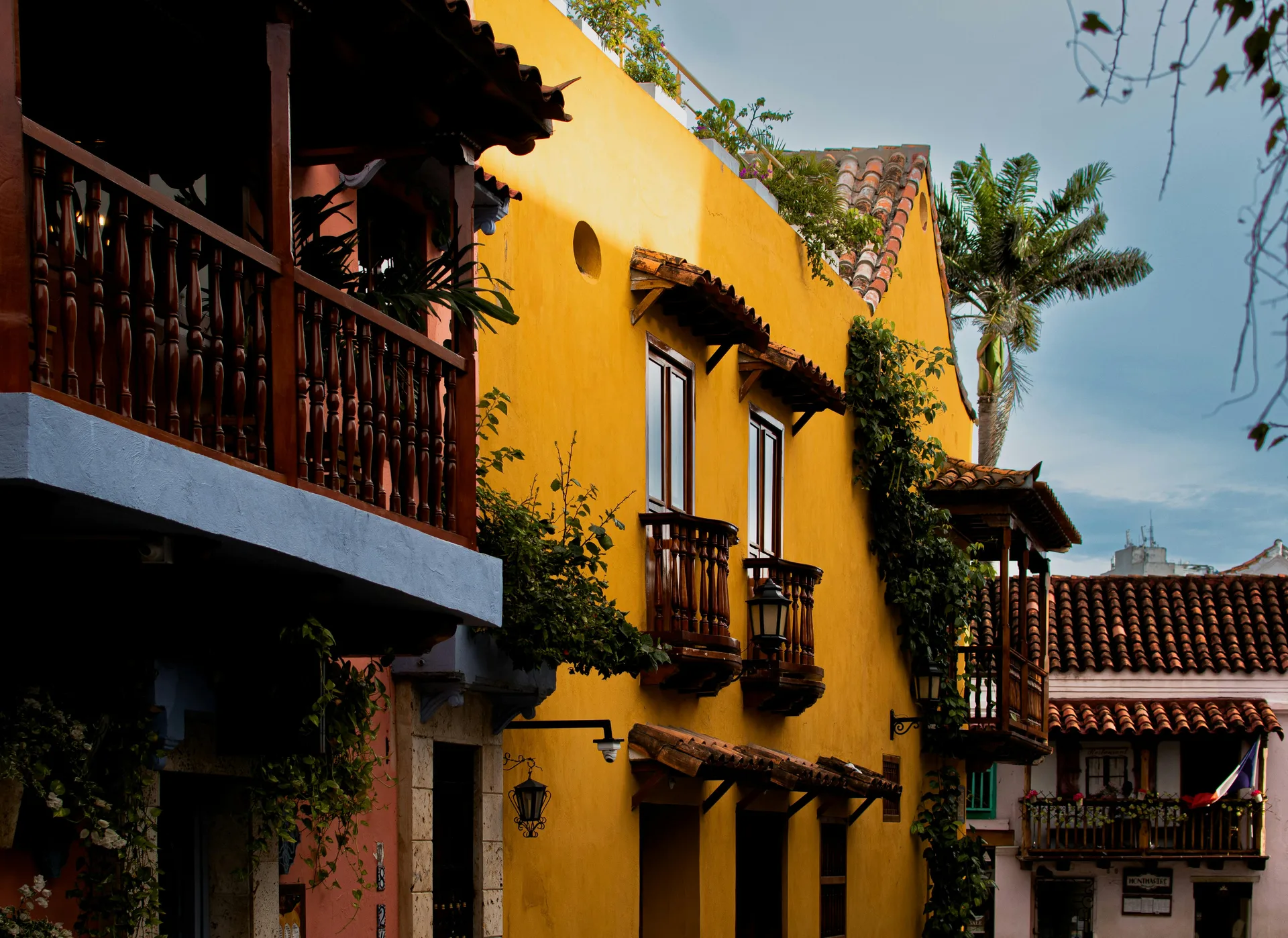
Some places get famous. Mompox got forgotten, and that is exactly why you go. Santa Cruz de Mompox (locals say Mompos) sits on a slow branch of the Magdalena River about six to eight hours inland from Cartagena, a colonial town so untouched it feels like the eighteenth century never fully ended. Whitewashed riverfront houses, iron-grilled windows, churches reflected in the water, goldsmiths still spinning silver into thread. It is not on the way to anywhere, and that is the point.
A river port the world forgot
Mompox was founded in 1540 on the banks of the Magdalena, and for two centuries it was rich. Almost everything moving between the port of Cartagena and the interior of the country traveled this river, and Mompox sat right on the artery. Spanish merchants built grand houses, churches, and workshops on the profits. Then the river itself turned on the town: its main navigable channel silted up and shifted west toward Magangué, river traffic followed, and Mompox was left stranded on a quiet backwater. The wealth stopped, the building stopped, and the colonial town simply stayed as it was. In 1995 UNESCO inscribed the historic center as a World Heritage Site, precisely because so little had changed.
Bolivar, glory, and a touch of magic realism
Mompox has an outsized place in Colombian independence. In 1812 Simón Bolívar raised troops here for his campaign, and the line attributed to him has followed the town ever since: "To Caracas I owe my life, to Mompox I owe my glory." The dreamlike, time-stopped quality of the place also wove its way into the country's literary imagination, the kind of Caribbean town that feels half-invented even when you are standing in it. You do not need to have read a word of it to feel why.
What to see in Mompox
The town is built the long way along the river rather than around a single central plaza. Three riverside plazas line up one after another, each with its own church. The standout is Iglesia de Santa Bárbara, with its unusual octagonal, balconied bell tower, the most photographed building in town. Walk the Albarrada, the raised riverfront wall built to hold back floods, at golden hour. Visit the old cemetery, sit by the water with a cold drink, and slow all the way down. There is no rush here, and trying to import one is missing the place.
Filigree: gold spun into thread
Mompox is the home of Colombian filigree, jewelry made by twisting impossibly fine threads of gold and silver into lace-like spirals. The craft fused two traditions: indigenous metal casting and techniques brought by enslaved Africans, and it has been worked here for generations. Small family workshops still make and sell it, and a piece bought directly from the maker is the one souvenir from this region genuinely worth carrying home. Agree the price and ask about the metal content before you buy.
Semana Santa
Mompox has one true high season: Semana Santa, the week before Easter. Its Holy Week processions are among the most solemn and famous in Colombia, with slow nighttime marches through candlelit streets. It is extraordinary to witness and it fills every bed in town, so if you want to go for it, book accommodation months ahead. Outside that week the town is sleepy, hot, and almost entirely yours.
Getting there from Cartagena
This is not a day trip. Mompox is roughly six to eight hours from Cartagena by road, and the last stretch can involve a river crossing depending on the route. Plan at least two nights. Options:
Door-to-door shuttle or private car: the simplest, booked through your hotel or a local operator. The most comfortable way to cover the distance.
Bus plus ferry: the budget route, typically via Magangué and a boat across the river, then onward by road. Cheaper, longer, less predictable.
Short flight: small aircraft serve nearby airstrips on some schedules, cutting the overland time. Availability varies, so check close to your dates.
Say this when you arrive
"¿Dónde puedo ver a un joyero que trabaje la filigrana momposina auténtica?"
"Where can I find a jeweler who works authentic Mompox filigree?"
Where to stay and when to go
Stay in a restored colonial house in the historic center; several have been turned into characterful small hotels with courtyards and river views. Go in the drier, cooler stretch if you can, and accept that Mompox is hot and humid year round. Bring cash (small-town card coverage is patchy), insect repellent for the riverside evenings, and a willingness to do very little. That willingness is the whole trip.
Travel times, transport options, and prices change, so confirm current routes and schedules before you book. Last review: May 2026.
Specific question while you read? Ask Catalina, the Cartagena Guide concierge.¿Pregunta específica mientras lees? Pregúntale a Catalina, la concierge de Cartagena Guide.Chat with Catalina ›Habla con Catalina ›
Algunos lugares se hacen famosos. Mompox se olvidó, y eso es exactamente por qué vas. Santa Cruz de Mompox (los locales dicen Mompos) queda en una rama lenta del Magdalena a unas seis u ocho horas hacia el interior desde Cartagena, un pueblo colonial tan intacto que parece que el siglo dieciocho nunca terminó del todo. Casas ribereñas encaladas, ventanas con rejas de hierro, iglesias reflejadas en el agua, orfebres retorciendo plata en hilos. No queda en el camino a ningún lado, y ese es el punto.
Un puerto fluvial que el mundo olvidó
Mompox se fundó en 1540 a orillas del Magdalena, y durante dos siglos fue rico. Casi todo lo que se movía entre el puerto de Cartagena y el interior del país viajaba por este río, y Mompox estaba justo en la arteria. Mercaderes españoles construyeron casas grandiosas, iglesias y talleres con las ganancias. Luego el río mismo se volvió contra el pueblo: su canal navegable principal se aterró y se corrió hacia el oeste hacia Magangué, el tráfico fluvial la siguió, y Mompox quedó varado en un remanso tranquilo. La riqueza se detuvo, la construcción se detuvo, y el pueblo colonial simplemente se quedó como estaba. En 1995 la UNESCO inscribió el centro histórico como Patrimonio de la Humanidad, precisamente porque tan poco había cambiado.
Bolívar, gloria y un toque de realismo mágico
Mompox tiene un lugar desproporcionado en la independencia colombiana. En 1812 Simón Bolívar recogió tropas aquí para su campaña, y la frase que le atribuyen ha seguido al pueblo desde entonces: "A Caracas debo mi vida, a Mompox debo mi gloria". La cualidad onírica y detenida en el tiempo del lugar también se tejió en la imaginación literaria del país, el tipo de pueblo caribeño que se siente medio inventado incluso cuando estás parado en él. No necesitas haber leído una palabra de eso para sentir por qué.
Qué ver en Mompox
El pueblo está construido a lo largo del río en lugar de alrededor de una plaza central única. Tres plazas ribereñas se alinean una tras otra, cada una con su iglesia. La destacada es la Iglesia de Santa Bárbara, con su inusual campanario octogonal y balconado, el edificio más fotografiado del pueblo. Camina la Albarrada, el muro ribereño elevado construido para contener las inundaciones, a la hora dorada. Visita el cementerio antiguo, siéntate junto al agua con una bebida fría, y desacelera completamente. No hay prisa aquí, e intentar traerla es perder el lugar.
Filigrana: oro retorcido en hilos
Mompox es la cuna de la filigrana colombiana, joyas hechas retorciendo hilos imposiblemente finos de oro y plata en espirales como encaje. El oficio fusionó dos tradiciones: la fundición de metales indígena y técnicas traídas por africanos esclavizados, y se ha trabajado aquí durante generaciones. Pequeños talleres familiares aún la hacen y venden, y una pieza comprada directamente al artesano es el único recuerdo de esta región que realmente vale la pena llevarse. Negocia el precio y pregunta por el contenido del metal antes de comprar.
Semana Santa
Mompox tiene una verdadera alta temporada: Semana Santa, la semana antes de Pascua. Sus procesiones de Semana Santa están entre las más solemnes y famosas de Colombia, con marchas nocturnas lentas por calles iluminadas con velas. Es extraordinario presenciarlo y llena cada cama en el pueblo, así que si quieres ir, reserva alojamiento con meses de anticipación. Fuera de esa semana el pueblo está dormilón, caluroso y casi completamente tuyo.
Cómo llegar desde Cartagena
Esto no es un paseo de un día. Mompox queda aproximadamente seis a ocho horas de Cartagena por carretera, y el último tramo puede implicar un cruce fluvial dependiendo de la ruta. Planifica al menos dos noches. Opciones:
Shuttle puerta a puerta o auto privado: lo más sencillo, se reserva a través de tu hotel u un operador local. La forma más cómoda de cubrir la distancia.
Bus más ferry: la ruta presupuestaria, típicamente vía Magangué y un bote sobre el río, luego adelante por carretera. Más barato, más largo, menos predecible.
Vuelo corto: aeronaves pequeñas sirven pistas aéreas cercanas en algunos horarios, reduciendo el tiempo por tierra. La disponibilidad varía, así que verifica cerca de tus fechas.
Di esto cuando llegues
"¿Dónde puedo ver a un joyero que trabaje la filigrana momposina auténtica?"
"Where can I find a jeweler who works authentic Mompox filigree?"
Dónde hospedarse y cuándo ir
Hospédate en una casa colonial restaurada en el centro histórico; varias han sido convertidas en pequeños hoteles con carácter, patios y vistas al río. Ve en la época más seca y fresca si puedes, y acepta que Mompox es caluroso y húmedo todo el año. Trae efectivo (la cobertura de tarjetas en pueblos pequeños es irregular), repelente de insectos para las tardes ribereñas, y una disposición a hacer muy poco. Esa disposición es todo el viaje.
Los tiempos de viaje, opciones de transporte y precios cambian, así que confirma las rutas y horarios actuales antes de reservar. Última revisión: mayo de 2026.
Newsletter
Get the guide in your inbox
One short email each Saturday. New posts, what's on this week, and anything worth knowing about Cartagena. No spam, unsubscribe anytime.