Relocating to Cartagena: The Honest OverviewMudarse a Cartagena: La Visión Honesta
By Mike Chartrand · Updated May 2026
Specific question while you read? Ask Catalina, the Cartagena Guide concierge.¿Pregunta específica mientras lees? Pregúntale a Catalina, la concierge de Cartagena Guide.Chat with Catalina ›Habla con Catalina ›
Last updated: May 2026. This is the map, not the territory. If you are seriously thinking about relocating to Cartagena, start here to understand who moves and why, the honest trade-offs, and the order you should make the big decisions in. Then follow the in-text links to the deep guides on each step. Costs are in Colombian pesos with a US dollar figure in parentheses at 4,000 pesos to the dollar.
Who moves to Cartagena, and why
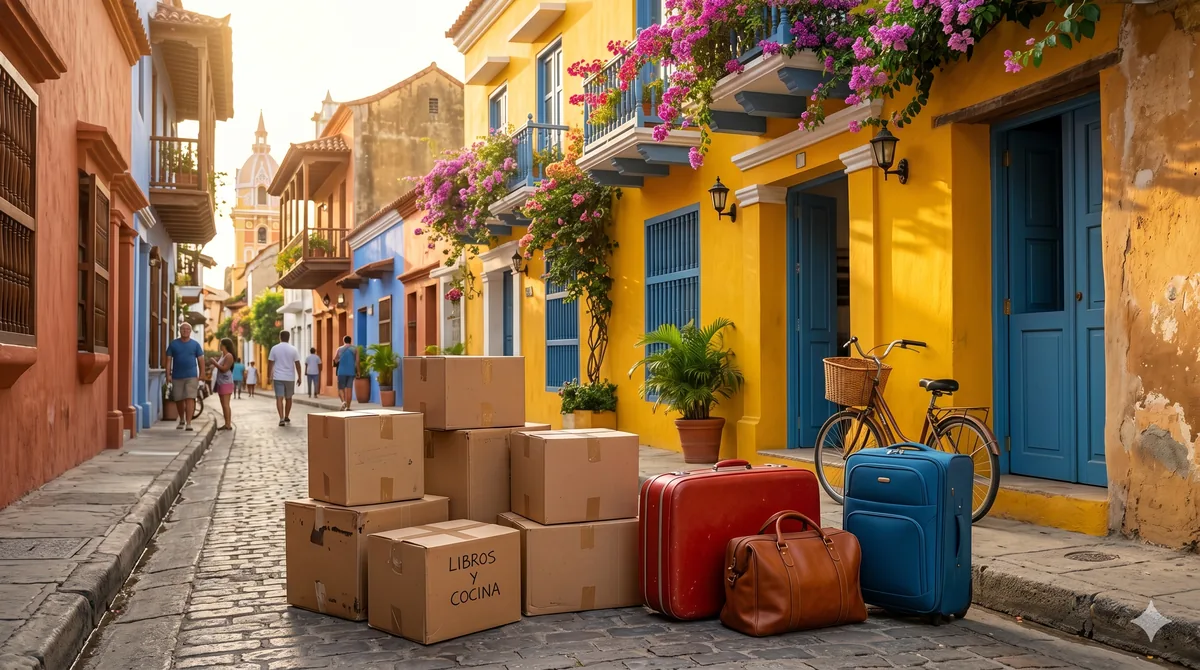
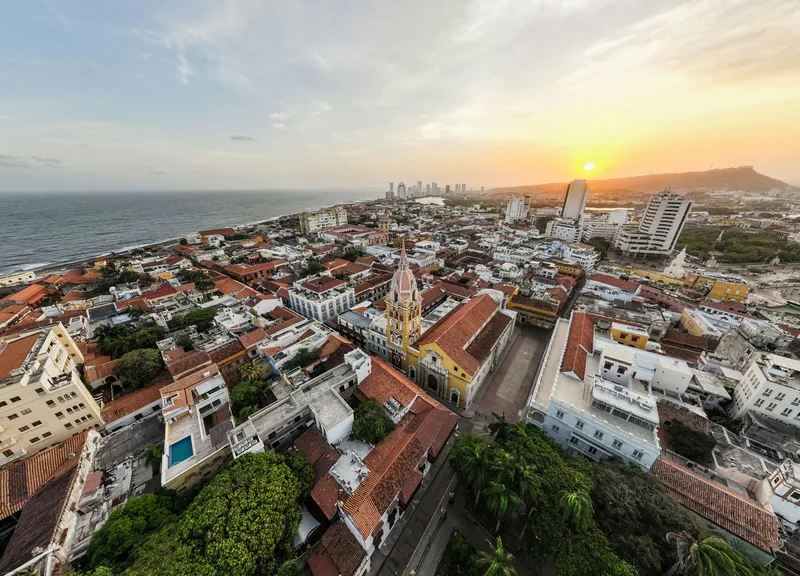
Cartagena pulls a specific kind of person. It is the most postcard-beautiful city in Colombia: a walled colonial old town, Caribbean water you can swim in twelve months a year, and a skyline of high-rise towers on the Bocagrande peninsula that looks like Miami took a wrong turn south. People do not move here by accident. They visit, the place gets under their skin, and they start looking at apartments.
Three groups dominate the foreign community here. First, the beach-and-lifestyle crowd: people who want warm water, sun, and a slower coastal rhythm, and who will trade big-city convenience for it. Second, second-home buyers: North Americans and Europeans who buy a Bocagrande or Castillogrande apartment, use it a few months a year, and rent or leave it the rest. Third, retirees on pensions, drawn by the climate and the low cost of healthcare and daily life relative to home.
You will also find remote workers and a thinner layer of long-term residents who have put down real roots. But be honest with yourself about which group you are in. Cartagena is a fantastic place to spend a season. Whether it is the right place to build a whole life is a different question, and the answer depends a lot on the reality check below.
The honest reality check
The brochure leaves things out. Here is what nobody tells you before you sign a lease.
The heat is relentless and it changes your daily life in concrete ways. Cartagena is hot and humid all year, sitting less than 11 degrees north of the equator at sea level. Daytime temperatures sit in the low-to-mid 30s Celsius (high 80s to low 90s Fahrenheit) with humidity that makes it feel significantly hotter. You will run air conditioning every night and most of the day, and your electricity bill will reflect it: expect COP 200,000 to 500,000 per month (about USD 50 to 125) depending on apartment size and how cold you keep it. The heat also restructures your schedule. Serious errands happen in the morning (before 10:30 am) or the late afternoon. Midday is for shade, an A/C room, or the beach if there is a breeze. You do not fight this, you adapt. This single fact filters out more people than crime or the language barrier ever will. Spend a full week here in the heat before you commit, ideally during the wet season (May to November) when the humidity peaks.
Say this when viewing an apartment
"¿El apartamento tiene aire acondicionado en todos los cuartos? ¿Cuánto sale el recibo de la luz normalmente en verano?"
Does the apartment have air conditioning in all the rooms? What does the electricity bill normally run in summer?
You will pay tourist prices. Cartagena is Colombia's premier tourist destination, and that warps the local economy. Restaurants in the walled city, taxis, tours, and short-term rentals are priced for visitors, not residents. You can live more cheaply by shopping where locals shop and living outside the tourist core, but the baseline here is higher than in Medellín, Barranquilla, or Bogotá. See the cost of living guide for the real numbers.
The foreign community is more transient. Because so many foreigners here are seasonal or second-home owners, the long-term resident community is smaller and more scattered than in Medellín. If building a stable circle of people who are not leaving in three months matters to you, factor that in.
Bureaucracy is slow, and Spanish is not optional. Visas, bank accounts, leases, and utility setups all involve paperwork, in-person visits, and patience. English will get you through tourist Cartagena but not through daily life as a resident. You need functional Spanish, and you will be happier if you arrive with some.
Rainy season brings flooding. The wet season runs roughly May through November and overlaps the Atlantic hurricane window. Cartagena rarely takes a direct hurricane hit, but heavy rain regularly floods low-lying streets, and some neighborhoods drain badly. Where you live matters for this. Ask about flooding before you rent, and read up on what is realistic in the safety guide, which also covers the practical day-to-day risks beyond crime.
None of this is meant to scare you off. It is meant to make sure that the people who move here do it with open eyes. Plenty of foreigners are very happy in Cartagena. The unhappy ones are usually the ones who came for the postcard and were blindsided by the rest.
The big decisions in order
The most common mistake is doing these out of sequence. Renting before you understand the visa, or buying before you have lived in a neighborhood through a rainy season. Here is the order that works.
1. Visa first
Everything else flows from your legal status. Your visa type determines how long you can stay, whether you can open a bank account easily, whether you can become a tax resident, and what you can do for work. Sort this out, at least in concept, before you commit to anything physical. The main categories are the Migrant (M) visas, the Resident (R) visa, and the various Visitor (V) visas including the digital nomad option. Start with the visas guide and figure out which one fits your situation before you book a one-way flight.
Get your documents apostilled before you leave home. Pension letters, birth certificates, marriage certificates, and police clearance records all need an apostille from the issuing country before Colombia accepts them for a visa application. Getting one from abroad once you are already in Cartagena is slow and expensive. The process differs by country (in the US it goes through the Secretary of State; in Canada through Global Affairs; in the UK through the FCDO). Plan at least 4 to 6 weeks for the apostille round-trip if you are using postal services, less if you go in person. Once apostilled, you will also need an official Spanish translation done by a certified translator in Colombia. Do the apostille at home, do the translation once you arrive.
2. Where to live
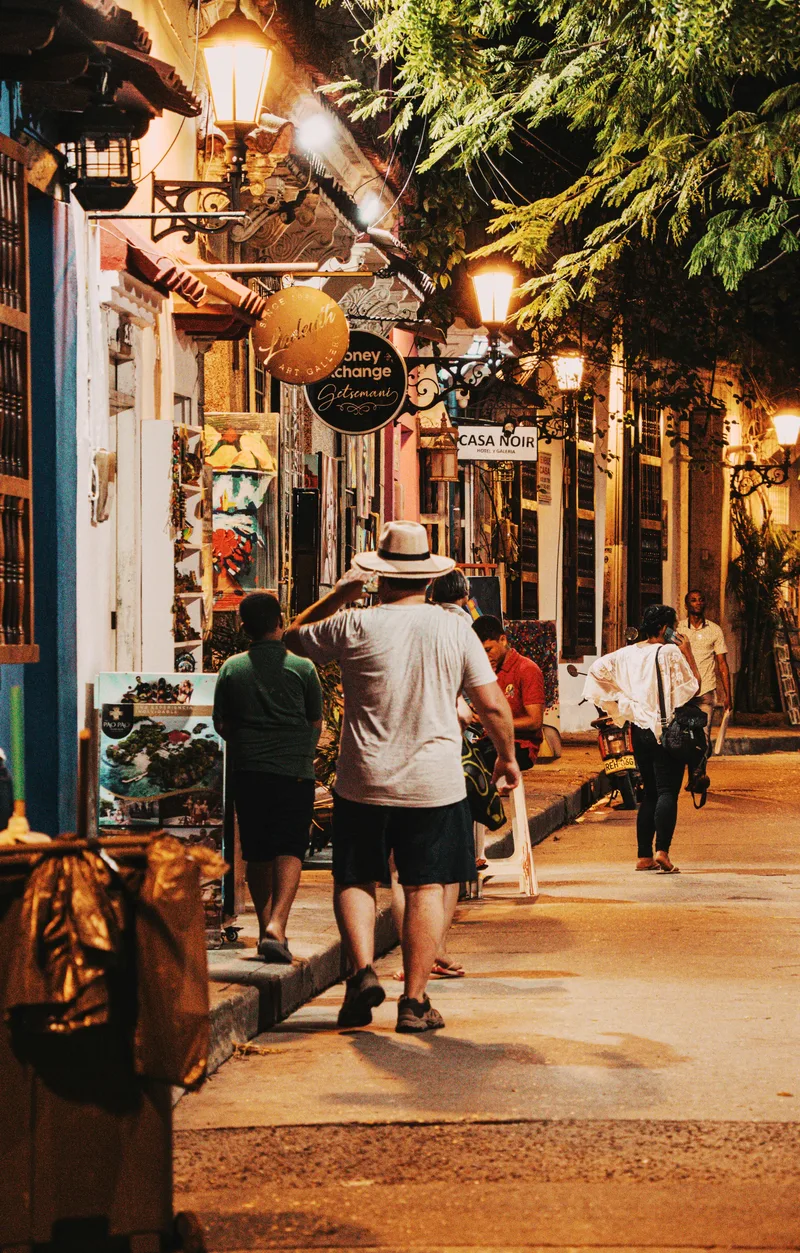
Cartagena's neighborhoods are wildly different from each other, and the right one depends on your budget, your tolerance for tourists, and how much you care about being near the water. Bocagrande and Castillogrande are the high-rise peninsula. Manga and Crespo are quieter residential areas that many long-term foreigners prefer. Getsemaní is walled-city-adjacent and gentrifying fast. Read the neighborhoods guide before you start apartment hunting, so you are looking in the right places.
3. Housing
Once you know the neighborhood, you tackle the rental market: leases, the fiador (guarantor) problem that trips up most foreigners, deposits, and what is actually included. Long-term leases here usually do not include utilities, which matters a lot given the air-conditioning bills. The housing and renting guide walks through how to rent without getting overcharged for being foreign.
4. Banking and money
Opening a Colombian bank account as a foreigner is doable but bureaucratic, and easier with the right visa. In the meantime you will be living on a mix of foreign cards, ATM withdrawals, and cash. The banking and money guide covers which cards work, how to avoid ATM fees, transfer services, and how to open a local account when you are ready.
5. Healthcare
Colombia's healthcare is genuinely good and genuinely affordable compared to North America. You will choose between the public EPS system, private prepaid plans (medicina prepagada), and international insurance, depending on your visa and budget. Sort this early. The healthcare guide explains your options and the good hospitals in the city.
6. Daily-life setup
The small stuff that makes you functional: a local phone number and data plan, groceries, getting around. A Colombian SIM is one of the first things you should do on arrival. Claro generally has the strongest network coverage on the Caribbean coast. A prepaid SIM with 15 to 25 GB of data costs roughly COP 25,000 to 45,000 (about USD 6 to 11); you just need your passport to register it. See the SIM cards and mobile data guide for carrier comparison and activation details.
Say this at a carrier store or airport kiosk
"Quiero activar un SIM prepago con datos. Tengo pasaporte. ¿Cuál plan tiene más datos por el mejor precio?"
I want to activate a prepaid SIM with data. I have my passport. Which plan has the most data for the best price?
A phased timeline
Here is how the move actually unfolds, broken into phases. Treat the dates loosely; the order is what matters.
Before you come
Decide your visa path and start gathering documents. This is the long pole. If your route involves a Pensionado, Rentista, or Inversionista visa, get every supporting document apostilled before you leave home (see the visa callout above).
Visit first if you possibly can. Two weeks minimum, in the heat, ideally during rainy season (May to November) so you see the city at its least flattering. Stay in the neighborhood you think you want to rent in, not in a hotel in the tourist core.
Read the neighborhoods guide and the cost of living guide so you arrive with realistic expectations. Key numbers: a mid-range one-bedroom in Manga or Crespo runs COP 1,600,000 to 2,800,000 per month (USD 400 to 700); the same in Bocagrande towers is COP 2,400,000 to 4,500,000 (USD 600 to 1,125). Add COP 200,000 to 500,000 for electricity (air conditioning is the main driver).
Build some Spanish. Even basic conversational Spanish changes your first month entirely. Cartagena's costeño accent clips word endings, so spoken Spanish sounds different from what a course teaches. Do not be discouraged.
Line up a short-term furnished rental for your first four to six weeks. Do not sign a long lease from abroad. The neighborhood you like on a map is not always the one you want to live in once you have walked it in July.
Your first week
Get a Colombian SIM and data plan on day one or two.
Pull cash and confirm which of your foreign cards work at local ATMs.
Start orienting in the neighborhoods you shortlisted, on foot, at different times of day.
Find your basics: a supermarket, a fruit and veg market, somewhere to eat that is not priced for tourists.
Work through the day-by-day list in the first week guide, which lays out the exact order to do everything.
Your first month
Find and sign a long-term apartment now that you have walked the neighborhoods.
Set up utilities and home internet (or confirm what the lease includes).
Sort your healthcare coverage.
Begin the bank-account process if your visa status allows it.
Establish a routine: Spanish lessons, a gym, the start of a social circle.
Your first six months
Finalize your visa if you arrived on a temporary status.
Understand your tax position. Spending more than 183 days in Colombia in a year can make you a tax resident, which has real consequences worth getting advice on.
Reassess your neighborhood. The one you picked sight-unseen is not always the one you stay in.
Decide, honestly, whether Cartagena is a season or a life. There is no wrong answer, but knowing which one you are in changes everything else.
What the move costs
Beyond your monthly cost of living, the move itself has upfront costs. Rough ranges for a typical foreigner setting up in a mid-range neighborhood:
Visa and legal fees: budget COP 2,000,000 to 6,000,000 (USD 500 to 1,500) depending on visa type and whether you use a lawyer. Many people do, and it is usually worth it.
Rental deposit and first month: a long-term lease typically wants the first month plus a deposit, so plan for roughly COP 4,000,000 to 9,000,000 (USD 1,000 to 2,250) up front for a mid-range one-bedroom, more in Bocagrande.
Furnishing or part-furnishing: if your place is unfurnished, basic furniture and appliances run COP 6,000,000 to 16,000,000 (USD 1,500 to 4,000). Many foreigners rent furnished to skip this.
Healthcare setup: a private prepaid plan or international insurance, paid monthly or annually. Allow COP 200,000 to 600,000 per month (USD 50 to 150) for prepaid, more for comprehensive international cover.
First-month buffer: SIM, deposits for utilities, getting around, eating out while you find your feet. Keep COP 3,000,000 to 5,000,000 (USD 750 to 1,250) in reserve.
For ongoing monthly numbers (rent, groceries, utilities, eating out, transport), the cost of living guide has the real breakdown rather than these setup estimates.
Where to go next
This page is the overview. The work happens in the deep guides, in roughly the order you will need them:
If you have a specific question that none of these answer, ask Catalina using the chat button on this page. She knows the city and these guides, and she will point you to the right one.
If you want a local to walk you through it
Reading nine deep guides in order is a lot of work. Most people who actually move to Cartagena talk to a local once or twice instead, and the call answers half of the questions the guides would have answered. That's where we help.
Mike (Canadian, lives in Medellín since 2011) and Santiago (paisa, born in Colombia) put this together with our Cartagena team. Our concierge Catalina has walked dozens of new arrivals through the visa-and-housing-and-bank-and-healthcare sequence. Tell her where you're coming from, what visa you're aiming at, whether you've already done a scouting trip, and what your monthly income looks like in USD or CAD. She'll lay out a realistic timeline and a short list of attorneys, real estate agents, and a private prepaid plan that fit your situation.
Phone Catalina: coming soon (we're activating a Colombian number now). For now, chat at catalina.thecartagena.guide. She'll call you back on WhatsApp if you prefer voice, and she's used to taking the first call slowly.
We don't charge you for any of this. If you hire an immigration attorney or rent through an agent we introduce, they pay us. You don't. No email list, no upsells, no pressure to commit today.
Still have questions?¿Todavía tienes preguntas?
Catalina is our concierge. Ask her about visas, neighborhoods, healthcare, prices, anything Cartagena. She answers in chat or WhatsApp, English or Spanish, free.Catalina es nuestra concierge. Pregúntale sobre visas, barrios, salud, precios, cualquier cosa de Cartagena. Responde por chat o WhatsApp, en inglés o español, gratis.
Specific question while you read? Ask Catalina, the Cartagena Guide concierge.¿Pregunta específica mientras lees? Pregúntale a Catalina, la concierge de Cartagena Guide.Chat with Catalina ›Habla con Catalina ›
Última actualización: mayo de 2026. Este es el mapa, no el territorio. Si en serio estás pensando en mudarte a Cartagena, empieza acá para entender quién se muda y por qué, los trade-offs honestos, y el orden en que tenés que tomar las decisiones grandes. Después seguí los links dentro del texto a las guías profundas en cada paso. Los costos están en pesos colombianos con una cifra en dólares estadounidenses entre paréntesis a 4.000 pesos por dólar.
Quién se muda a Cartagena, y por qué
Cartagena atrae un tipo de persona específica. Es la ciudad más linda de postal en Colombia: un centro histórico colonial amurallado, agua del Caribe donde podés nadar doce meses al año, y un skyline de torres altas en la península de Bocagrande que parece que Miami tomó un giro mal dado hacia el sur. La gente no se muda acá por accidente. Vienen de visita, el lugar se les mete en el alma, y empiezan a mirar apartamentos.
Tres grupos dominan la comunidad extranjera acá. Primero, los de playa y estilo de vida: gente que quiere agua tibia, sol, y un ritmo costero más lento, y que está dispuesta a sacrificar la comodidad de la gran ciudad por eso. Segundo, los compradores de segunda casa: norteamericanos y europeos que compran un apartamento en Bocagrande o Castillogrande, lo usan unos meses al año, y lo alquilan o lo dejan el resto. Tercero, jubilados con pensiones, atraídos por el clima y el costo bajo de la salud y la vida diaria comparado con dónde vienen.
También vas a encontrar trabajadores remotos y una capa más delgada de residentes de largo plazo que han echado raíces de verdad. Pero sé honesto contigo mismo sobre en cuál grupo estás. Cartagena es un lugar fantástico para pasar una temporada. Si es el lugar correcto para construir una vida entera es otra pregunta, y la respuesta depende mucho de la verificación de realidad que viene abajo.
La verificación de realidad honesta
El folleto se deja cosas afuera. Acá va lo que nadie te dice antes de que firmes un contrato.
El calor es implacable y cambia tu vida diaria de formas concretas. Cartagena es caliente y húmeda todo el año, ubicada a menos de 11 grados norte del ecuador a nivel del mar. Las temperaturas de día andan en los 30 grados Celsius (alrededor de 85 a 95 Fahrenheit) con humedad que la hace sentir significativamente más caliente. Vas a tener aire acondicionado prendido todas las noches y la mayor parte del día, y tu recibo de luz lo va a reflejar: esperá entre COP 200.000 a 500.000 por mes (alrededor de USD 50 a 125) dependiendo del tamaño del apartamento y cuán frío lo mantengas. El calor también te reestructura el horario. Los mandados serios suceden a la mañana (antes de las 10:30 am) o a última hora de la tarde. El mediodía es para la sombra, una pieza con aire acondicionado, o la playa si hay brisa. No te peleás con esto, te adaptás. Este hecho solo filtra a más gente que el crimen o la barrera del idioma jamás lo harían. Pasá una semana completa acá en el calor antes de que te comprometas, idealmente durante la época de lluvias (mayo a noviembre) cuando la humedad está en su pico.
Decí esto al ver un apartamento
¿El apartamento tiene aire acondicionado en todos los cuartos? ¿Cuánto sale el recibo de la luz normalmente en verano?
Does the apartment have air conditioning in all the rooms? What does the electricity bill normally run in summer?
Vas a pagar precios de turista. Cartagena es el destino turístico premier de Colombia, y eso tuerce la economía local. Los restaurantes en la ciudad amurallada, los taxis, los tours, y los alquileres de corto plazo tienen precios para visitantes, no para residentes. Podés vivir más barato comprando dónde compran los locales y viviendo afuera del centro turístico, pero la línea de base acá es más alta que en Medellín, Barranquilla, o Bogotá. Mirá la guía de costo de vida para los números reales.
La comunidad extranjera es más transitoria. Porque muchos extranjeros acá son dueños de temporada o de segunda casa, la comunidad de residentes de largo plazo es más pequeña y más dispersa que en Medellín. Si para vos es importante construir un círculo estable de gente que no se va en tres meses, tenelo en cuenta.
La burocracia es lenta, y el español no es opcional. Visas, cuentas bancarias, contratos, y configuración de servicios todos involucran papeleo, visitas en persona, y paciencia. El inglés te lleva a través de Cartagena turística pero no a través de la vida diaria como residente. Necesitás español funcional, y vas a estar más contento si llegás con algo ya.
La época de lluvia trae inundaciones. La temporada húmeda corre aproximadamente de mayo a noviembre y se superpone con la ventana de huracanes del Atlántico. Cartagena raramente recibe un golpe directo de huracán, pero las lluvia fuertes regularmente inundan calles bajas, y algunos barrios drenan mal. Dónde vivís importa para esto. Preguntá sobre inundaciones antes de alquilar, y estudiá qué es realista en la guía de seguridad, que también cubre los riesgos prácticos de día a día más allá del crimen.
Nada de esto es para asustarte. Es para asegurar que la gente que se muda acá lo haga con los ojos abiertos. Muchos extranjeros son muy felices en Cartagena. Los infelices son generalmente los que vinieron por la postal y se llevaron una sorpresa con el resto.
Las decisiones grandes en orden
El error más común es hacer esto fuera de secuencia. Alquilar antes de entender la visa, o comprar antes de haber vivido en un barrio a través de una época de lluvia. Acá va el orden que funciona.
1. Visa primero
Todo lo demás viene de tu situación legal. Tu tipo de visa determina cuánto tiempo podés quedarte, si podés abrir una cuenta bancaria fácil, si podés convertirte en residente fiscal, y qué podés hacer para trabajar. Arreglá esto, al menos en concepto, antes de que te comprometas con nada físico. Las categorías principales son las visas Migrant (M), la visa Resident (R), y las varias visas Visitor (V) incluyendo la opción de nómada digital. Empezá con la guía de visas y determiná cuál se ajusta a tu situación antes de que compres un vuelo de ida.
Hacé apostillar tus documentos antes de irte de casa. Las cartas de pensión, certificados de nacimiento, certificados de matrimonio, y registros de antecedentes penales todos necesitan una apostilla del país emisor antes de que Colombia los acepte para una solicitud de visa. Conseguir una del extranjero una vez que ya estás en Cartagena es lento y caro. El proceso difiere por país (en EE.UU. va a través de la Secretaría de Estado; en Canadá a través de Asuntos Globales; en el Reino Unido a través de la FCDO). Planificá al menos 4 a 6 semanas para la vuelta de la apostilla si usás servicios postales, menos si vas en persona. Una vez apostillado, también vas a necesitar una traducción oficial al español hecha por un traductor certificado en Colombia. Hacé la apostilla en casa, hacé la traducción una vez que llegues.
2. Dónde vivir
Los barrios de Cartagena son salvajemente diferentes entre sí, y el correcto depende de tu presupuesto, tu tolerancia para turistas, y cuánto te importe estar cerca del agua. Bocagrande y Castillogrande son la península de torres altas. Manga y Crespo son áreas residenciales más tranquilas que muchos extranjeros de largo plazo prefieren. Getsemaní está adyacente a la ciudad amurallada y se está gentificando rápido. Leé la guía de barrios antes de que empieces a buscar apartamentos, así estés mirando en los lugares correctos.
3. Vivienda
Una vez que sepas el barrio, atacás el mercado de alquiler: contratos, el problema del fiador que le juega una mala pasada a la mayoría de extranjeros, depósitos, y qué está realmente incluido. Los contratos de largo plazo acá normalmente no incluyen servicios, lo que importa un montón dado los recibos de aire acondicionado. La guía de vivienda y alquiler te lleva a través de cómo alquilar sin ser sobrecobrado por ser extranjero.
4. Banca y dinero
Abrir una cuenta bancaria colombiana como extranjero es posible pero burocrático, y más fácil con la visa correcta. Mientras tanto vas a vivir con una mezcla de tarjetas extranjeras, retiros de cajero, y efectivo. La guía de banca y dinero cubre qué tarjetas funcionan, cómo evitar tarifas de cajero, servicios de transferencia, y cómo abrir una cuenta local cuando estés listo.
5. Salud
La salud de Colombia es genuinamente buena y genuinamente asequible comparada con Norteamérica. Vas a elegir entre el sistema EPS público, planes privados prepagados (medicina prepagada), y seguro internacional, dependiendo de tu visa y presupuesto. Arreglá esto temprano. La guía de salud explica tus opciones y los buenos hospitales en la ciudad.
6. Configuración de la vida diaria
Las cosas pequeñas que te hacen funcional: un número de teléfono local y plan de datos, víveres, cómo moverte. Una SIM colombiana es una de las primeras cosas que deberías hacer al llegar. Claro generalmente tiene la cobertura de red más fuerte en la costa del Caribe. Una SIM prepago con 15 a 25 GB de datos cuesta alrededor de COP 25.000 a 45.000 (alrededor de USD 6 a 11); solo necesitás tu pasaporte para registrarla. Mirá la guía de SIM y datos móviles para comparación de operadores y detalles de activación.
Decí esto en una tienda de operador o kiosco de aeropuerto
Quiero activar un SIM prepago con datos. Tengo pasaporte. ¿Cuál plan tiene más datos por el mejor precio?
I want to activate a prepaid SIM with data. I have my passport. Which plan has the most data for the best price?
Una línea de tiempo en fases
Así es cómo el traslado realmente sucede, dividido en fases. Tratá las fechas libremente; el orden es lo que importa.
Antes de que vengas
Decidí tu ruta de visa y empezá a juntar documentos. Este es el trabajo largo. Si tu ruta involucra una visa Pensionado, Rentista, o Inversionista, hacé apostillar cada documento de apoyo antes de irte de casa (mirá el callout de visa arriba).
Visitá primero si podés. Dos semanas mínimo, en el calor, idealmente durante la época de lluvia (mayo a noviembre) así ves la ciudad en su forma menos favorecedora. Quedate en el barrio donde pensás que querés alquilar, no en un hotel en el centro turístico.
Leé la guía de barrios y la guía de costo de vida así llegás con expectativas realistas. Números clave: un dormitorio de rango medio en Manga o Crespo cuesta COP 1.600.000 a 2.800.000 por mes (USD 400 a 700); el mismo en torres de Bocagrande es COP 2.400.000 a 4.500.000 (USD 600 a 1.125). Sumá COP 200.000 a 500.000 para electricidad (el aire acondicionado es el driver principal).
Construí algo de español. Incluso español conversacional básico cambia completamente tu primer mes. El acento costeño de Cartagena corta finales de palabras, así que el español hablado suena diferente de lo que un curso te enseña. No te desanimes.
Armá un alquiler amueblado de corto plazo para tus primeras cuatro a seis semanas. No firmes un contrato largo desde el extranjero. El barrio que te gusta en un mapa no siempre es el que querés vivir una vez que lo caminaste en julio.
Tu primera semana
Conseguí una SIM colombiana y plan de datos en el primer o segundo día.
Sacá efectivo y confirmá cuál de tus tarjetas extranjeras funciona en cajeros locales.
Empezá a orientarte en los barrios que preseleccionaste, a pie, a diferentes horas del día.
Encontrá lo básico: un supermercado, un mercado de fruta y verdura, algún lugar para comer que no tenga precios de turista.
Trabajá a través de la lista día por día en la guía de la primera semana, que lay out el orden exacto para hacer todo.
Tu primer mes
Encontrá y firmá un apartamento de largo plazo ahora que caminaste los barrios.
Configurá servicios e internet de casa (o confirmá qué incluye el contrato).
Arreglá tu cobertura de salud.
Empezá el proceso de cuenta bancaria si tu estatus de visa lo permite.
Establecé una rutina: lecciones de español, un gimnasio, el comienzo de un círculo social.
Tus primeros seis meses
Finalizá tu visa si llegaste con un estatus temporal.
Entendé tu posición fiscal. Pasar más de 183 días en Colombia en un año puede hacerte residente fiscal, lo que tiene consecuencias reales que vale la pena consultar.
Reevaluá tu barrio. El que elegiste sin verlo no siempre es el que te quedás.
Decidí, honestamente, si Cartagena es una temporada o una vida. No hay respuesta equivocada, pero saber cuál de los dos sos cambia todo lo demás.
Qué cuesta el traslado
Más allá de tu costo de vida mensual, el traslado mismo tiene costos iniciales. Rangos aproximados para un extranjero típico que se establece en un barrio de rango medio:
Visa y honorarios legales: presupuestá COP 2.000.000 a 6.000.000 (USD 500 a 1.500) dependiendo del tipo de visa y si usás un abogado. Muchos lo hacen, y generalmente vale la pena.
Depósito de alquiler y primer mes: un contrato de largo plazo típicamente quiere el primer mes más un depósito, así que planificá alrededor de COP 4.000.000 a 9.000.000 (USD 1.000 a 2.250) por adelantado para un dormitorio de rango medio, más en Bocagrande.
Amueblar o amueblar parcialmente: si tu lugar no está amueblado, muebles básicos y electrodomésticos cuestan COP 6.000.000 a 16.000.000 (USD 1.500 a 4.000). Muchos extranjeros alquilan amueblado para saltarse esto.
Configuración de salud: un plan prepagado privado o seguro internacional, pagado mensual o anualmente. Permití COP 200.000 a 600.000 por mes (USD 50 a 150) para prepagado, más para cobertura internacional integral.
Buffer del primer mes: SIM, depósitos para servicios, moverse, comer afuera mientras encontrás tu paso. Mantené COP 3.000.000 a 5.000.000 (USD 750 a 1.250) en reserva.
Para números mensuales actuales (alquiler, víveres, servicios, comer afuera, transporte), la guía de costo de vida tiene el desglose real más que estos estimados de configuración.
Dónde ir a continuación
Esta página es el resumen. El trabajo sucede en las guías profundas, aproximadamente en el orden en que las vas a necesitar:
Si tenés una pregunta específica que ninguna de estas responde, preguntále a Catalina usando el botón de chat en esta página. Ella conoce la ciudad y estas guías, y te va a orientar a la correcta.
Si querés que un local te lleve a través de esto
Leer nueve guías profundas en orden es un montón de trabajo. La mayoría de gente que realmente se muda a Cartagena habla con un local una o dos veces en cambio, y la llamada responde la mitad de las preguntas que las guías habrían respondido. Ahí es dónde ayudamos.
Mike (canadiense, vive en Medellín desde 2011) y Santiago (paisa, nacido en Colombia) armaron esto con nuestro equipo de Cartagena. Nuestra concierge Catalina ha llevado a docenas de recién llegados a través de la secuencia de visa-y-vivienda-y-banco-y-salud. Contale de dónde venís, qué visa estás apuntando, si ya hiciste un viaje de scout, y cómo se ve tu ingreso mensual en USD o CAD. Te va a presentar una línea de tiempo realista y una lista corta de abogados, agentes de bienes raíces, y un plan prepagado privado que se ajuste a tu situación.
Llamá a Catalina: próximamente (estamos activando un número colombiano ahora). Por ahora, chatá en catalina.thecartagena.guide. Ella te va a llamar de vuelta por WhatsApp si preferís voz, y está acostumbrada a tomar la primera llamada lentamente.
No te cobramos por nada de esto. Si contratás un abogado de inmigración o alquilás a través de un agente que presentamos, ellos nos pagan. Vos no. Sin lista de email, sin upsells, sin presión para comprometerte hoy.
Still have questions?¿Todavía tienes preguntas?
Catalina is our concierge. Ask her about visas, neighborhoods, healthcare, prices, anything Cartagena. She answers in chat or WhatsApp, English or Spanish, free.Catalina es nuestra concierge. Pregúntale sobre visas, barrios, salud, precios, cualquier cosa de Cartagena. Responde por chat o WhatsApp, en inglés o español, gratis.